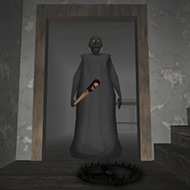
One player creeping through Granny’s house is tense. Two or three doing it together, trying not to give each other away, is a different pressure entirely. Granny Multiplayer keeps the formula this series is known for — wake up locked inside an old woman’s home, search for a way out, avoid her while she patrols — and adds one thing solo escapes never deal with: a teammate who slams a door at the wrong moment.
| Genre |
Multiplayer survival horror, escape-the-house |
| Setting |
A single locked house patrolled by Granny |
| Core Objective |
Find a way out before Granny catches everyone |
| Main Hazard |
Granny, drawn by noise and direct sightlines |
| Player Count |
Multiple players sharing one house at once |
Splitting Up Without Giving Each Other Away
The instinct on a first run is sticking together, since the house is unfamiliar and safety in numbers feels obvious. In practice it’s usually the opposite — two people in one hallway double the chance of a creaking floorboard, and Granny only needs one slip-up.
- Splitting into separate rooms covers more ground in less time.
- A teammate across the house can warn others if Granny changes direction.
Granny Multiplayer’s Patrol Logic and Why Silence Becomes a Team Skill
Granny reacts to what she hears — a dropped object or a sprint across a creaky floor pulls her toward the source. With more people in the house, the sound math gets harder to read, since she might be reacting to a teammate’s noise elsewhere. Riskier players sometimes bait her into one wing on purpose, buying the rest a clean run at whatever’s left.
Sharing Whatever You Find in a House That Only Has One of Everything
Only one key or tool sits in any given drawer, and only one player can carry it, which changes a run compared to going in solo — finding something doesn’t help until it reaches whoever needs it.
- Deciding who searches which rooms first avoids everyone converging on the same spots.
- Handing an item off mid-run means briefly meeting up, its own risk if Granny is close.
When One Player Gets Caught and the House Doesn’t Reset for Everyone
Getting caught in a group run doesn’t end things the way it would solo, since the rest can keep searching while one player deals with it. That’s genuinely debated among players: some find it more forgiving, others feel it removes the dread that made the original formula tense.
Does playing Granny Multiplayer with others make the house easier?
It changes the difficulty rather than lowering it. Searching goes quicker with more people, but every extra player is another noise source, so a careless group ends up worse off than a careful solo run.
Can Granny catch more than one player at a time?
She focuses on one player at a time, which is why drawing her attention on purpose works as a strategy in this game — while she’s occupied with one, the rest of the house is effectively unguarded.
What’s the biggest mistake new groups make in Granny Multiplayer?
Bunching up in the same rooms, which puts everyone at risk from one mistake instead of leaving someone able to keep searching while another handles the close call.
Granny Multiplayer doesn’t reinvent Granny’s patrol or the noise-based hunt that made this formula recognizable — it puts more people in the house with her at once, turning a private nightmare into a coordination problem. Whether the group escapes together usually comes down to who was willing to split off and search a room alone while she’s busy elsewhere.